Emergency Dentist Guide to Understanding Same-Day Dental Repairs
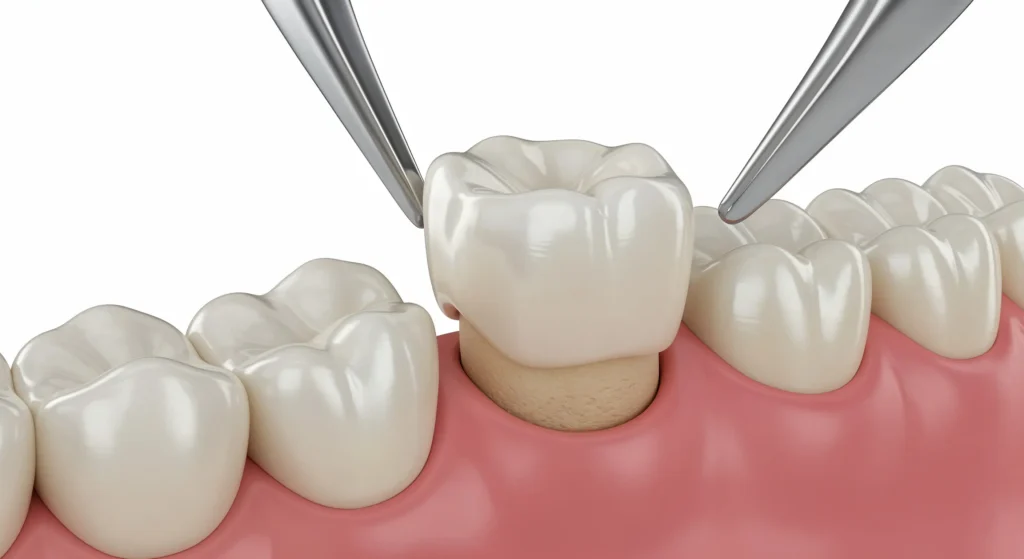

A true dental emergency has a way of shrinking your world. One minute you are eating lunch, coaching your child’s soccer team, heading into a meeting, or trying to make it through the school run. The next, you are holding a broken crown in your hand, pressing gauze against a bleeding gumline, or wondering whether a cracked front tooth can be fixed before the day is over. In those moments, most people ask the same question: can this actually be repaired today?
In many cases, yes. Same-day dental repairs are not a marketing phrase or a luxury add-on. They are a practical part of modern emergency care, designed to stop pain, restore function, protect the tooth from further damage, and when possible, get your smile back to looking normal before you leave the office. The key is understanding what dentists mean by a same-day repair, what can realistically be completed in one visit, and where immediate treatment has limits.
An Emergency Dentist approaches these visits with two priorities at once. First, relieve the urgent problem. Second, make careful decisions that hold up after the adrenaline wears off. The fastest option is not always the best one, but the best emergency care often includes a repair you can leave with that same day.
What counts as a same-day dental repair
When patients hear "repair," they often picture a final, permanent restoration completed from start to finish. Sometimes that is exactly what happens. A broken filling may be replaced on the spot. A chipped tooth may be bonded and reshaped in under an hour. A loose crown may be cleaned and recemented in a single visit if the tooth underneath is healthy enough.
Other times, a same-day repair means stabilizing the damage so the tooth, surrounding tissue, or restoration does not worsen overnight. A temporary crown, protective filling, smoothing of a sharp fracture edge, splinting of a loose tooth, drainage of an abscess, or emergency root canal opening can all be same-day repairs in the sense that they address the urgent problem immediately. They are not lesser forms of treatment. They are often the most clinically sound first step.
In practice, the definition depends on three things: the severity of the damage, the condition of the tooth before the accident or pain started, and what technology and materials the office has available. A practice with in-house milling equipment may produce a ceramic crown the same day. Another may place a durable temporary restoration and schedule the final crown within days. Both approaches can be excellent care.
The problems emergency dentists fix most often in one visit
Some emergencies are especially well suited to same-day treatment because the problem is localized and the repair is straightforward. Chipped edges on front teeth are a classic example. If the fracture is small and has not reached the nerve, tooth-colored bonding can often rebuild the shape immediately. A patient walks in worried about a visible defect and walks out able to smile again.
Lost fillings are another common one. The exposed tooth may be sensitive to cold air, sweets, or chewing pressure, but if the decay underneath is manageable and the tooth is structurally sound, replacing that filling often happens the same day. The appointment may feel routine from the dentist’s perspective, but for the patient it is a major relief. Sensitivity fades, food stops trapping in the hole, and the risk of cracking the weakened tooth drops substantially.
Loose or dislodged crowns also fall into this category more often than people expect. If the crown itself is intact and still fits properly, it can sometimes be recemented after the tooth and restoration are cleaned. If the crown no longer fits because decay has developed or part of the tooth has broken away, the emergency repair may shift toward building up the tooth and placing a temporary crown.
Then there are fractured teeth. This is where judgment matters. A small cusp fracture on a back tooth may be repaired with bonded composite or a temporary protective build-up. A deeper crack that extends below the gumline may need a more guarded conversation. The tooth might still be stabilized that day, but its long-term outlook depends on how far the crack runs and whether the pulp is inflamed or exposed.
When “same-day” still involves more than one phase
One of the most important things an Emergency Dentist does is separate urgency from haste. Patients in pain are often so relieved to be seen quickly that they assume every part of treatment should happen immediately. Sometimes that works. Sometimes the tooth needs a phased approach.
Take a tooth with a severe infection. The same-day goal may be to relieve pressure, control infection, and make the patient comfortable enough to sleep. That could involve opening the tooth for drainage, starting or adjusting medications when appropriate, and planning either root canal therapy or extraction. The emergency has been treated, but the final restoration may come later.
A badly broken molar offers another example. If there is heavy bleeding from the gum, if the fracture line is hard to visualize, or if the patient can barely open due to pain, the smartest first move may be to numb the area, remove unstable fragments, protect the remaining tooth, and bring the patient back after inflammation settles. Good emergency care is often measured by what the dentist prevents as much as by what gets finished on day one.
This distinction matters because patients sometimes interpret a temporary repair as incomplete or second-best. In reality, a temporary restoration placed under emergency conditions can be exactly what preserves the tooth long enough for a strong final result. Dentistry is full of moments where restraint is a sign of experience.
What the appointment usually looks like
Emergency visits tend to move faster than routine care, but the first minutes are not guesswork. The dentist needs to identify the real source of the problem, which is not always where the patient points. A person may swear the upper left tooth is fractured when the actual issue is a cracked lower molar referring pain upward. Someone may describe a lost filling when the more urgent problem is decay that has already reached the nerve.
Expect an exam, targeted X-rays in most cases, and a conversation about timing, options, and likely outcomes. If there is swelling, trauma, uncontrolled bleeding, or signs of infection spreading, that changes the pace and priorities. If the issue is primarily cosmetic, such as a minor edge chip before an event, the repair discussion is different.
Once diagnosis is clear, same-day treatment usually focuses on four goals: pain relief, infection control when needed, structural protection, and restoring enough function that you can eat, speak, and get through the next several days safely. If the final result can be completed then and there, the office will often do it. If not, you should still leave with a clear next step and a tooth that is less vulnerable than when you arrived.
The role of technology, and where it helps most
Technology has genuinely changed what can be repaired in a single day, but it is not magic. Digital scanners, same-day crown systems, improved bonding materials, and stronger tooth-colored composites have all expanded what dentists can accomplish during an emergency visit. A cracked or decayed tooth that once needed a temporary crown and a two-week wait may now be scanned, designed, milled, and bonded in a few hours if conditions are right.
That said, technology cannot repair biology on a deadline. If the gum tissue is too inflamed, if the fracture extends too far below the gumline, if infection has distorted the area, or if the bite cannot be predictably stabilized that day, even the best equipment has limits. Skilled dentists know when same-day tools improve care and when they tempt people into forcing a result.
The strongest same-day repairs usually happen when the damage is clear, the field is dry enough for good bonding, and the remaining tooth structure can support the restoration. A calm, cooperative patient also helps more than people realize. Treatment that demands delicate isolation and precise bonding is much easier when the patient is not writhing in pain or trying to rush out the door.
Situations that often need immediate care, not home fixes
There is a difference between doing something sensible at home for a few hours and trying to solve the problem yourself. Temporary cement from a pharmacy can be useful for a crown that has come off on a weekend. Orthodontic wax can cover a sharp edge. Warm saltwater rinses can soothe irritated tissue. But these measures buy time, they do not repair the underlying issue.
Seek urgent evaluation as soon as possible if you have any of the following:
- A tooth that is knocked loose, pushed out of position, or completely avulsed
- Swelling in the face or gum, especially with fever, bad taste, or trouble swallowing
- A fractured tooth with significant pain, bleeding, or a visible pink or red center
- Uncontrolled bleeding after trauma or extraction
- Severe pain that does not respond to routine over-the-counter medication
These are the cases where timing affects outcome. A knocked-out permanent tooth has the best chance of survival when handled properly and reimplanted quickly. Facial swelling can progress faster than many patients expect. A crack that seemed manageable at breakfast can become an extraction by dinner if the wrong part of the tooth splits away.
Why some teeth can be saved and others cannot
This is the hardest part of emergency dentistry for many patients. Two broken teeth can look similar in the mirror and have completely different prognoses. What matters is not just the visible damage. The depth and direction of the fracture, the condition of the root, prior large fillings, hidden decay, gum support, and whether the pulp is alive or infected all shape the decision.
A front tooth chipped across the corner may be beautifully repairable with bonding even if it looks dramatic. A molar with only a modest missing piece may actually be worse off if the crack runs through the center and down into the root. I have seen patients apologize for "overreacting" to a tiny line in a tooth that turned out to be a serious vertical fracture. I have also seen people panic over a very fixable cosmetic chip.
This is where experience matters. Emergency dentists learn to read not just the X-ray and the fracture line, but the whole situation. Is the bite heavy in that area? Has the tooth had root canal treatment before? Is the patient a grinder? Is this a temporary solution for someone flying out tomorrow, or are we building toward a long-term restoration that needs to last years? The best treatment plan comes from that larger view.
What patients can do before they reach the office
The period between the accident or pain flare and the appointment matters more than most people think. Simple steps can reduce complications and sometimes improve the odds of a successful same-day repair.
- Save any broken tooth pieces or restorations, and bring them with you
- If a permanent tooth is knocked out, hold it by the crown, not the root, and keep it moist in milk or saliva
- Use a cold compress on the outside of the face for swelling or trauma
- Rinse gently with warm water to clear debris, especially after a fracture
- Avoid chewing on the affected side, and do not test the tooth repeatedly
One practical note that often surprises patients: if a crown falls off, do not scrub the inside with a toothbrush or scrape out what looks like old cement. That material may help the dentist assess fit, and aggressive cleaning can distort or contaminate the restoration. Bring it in as is.
Pain control during and after the repair
Fear of pain keeps some people from calling an Emergency Dentist soon enough. That delay can turn a repairable problem into a more expensive one. Modern local anesthetics are very effective, and emergency dentists usually have a strong feel for how to numb inflamed teeth, which can be trickier than routine cases.
What patients experience afterward depends on the nature of the repair. A re-cemented crown may feel almost normal right away. A deep filling near the nerve may leave the tooth sore or sensitive for several days. Bonding on a front tooth usually heals easily, but the lip or gum may be tender after trauma. A tooth that required emergency root canal access often feels dramatically better within hours, though biting pressure can linger.
Good aftercare instructions should be specific. If the repair is temporary, the dentist should say so clearly and explain what foods to avoid, how long the material is expected to hold, and what warning signs mean you should call back. Vague reassurance is not enough in emergency settings.
The cost question, and why price varies so widely
Patients often want a quick estimate before they agree to treatment, which is reasonable. The challenge is that "same-day repair" can describe a very wide range of procedures. Replacing a lost filling, recementing a crown, bonding a chipped incisor, draining an abscess, placing a sedative temporary restoration, or fabricating a same-day crown all carry different fees because they involve different materials, chair time, and complexity.
The least expensive emergency visit is not always the most economical choice over time. A quick patch on a heavily compromised tooth may get you through the weekend but fail within days. A more thorough same-day restoration may cost more upfront and spare you repeat visits, more pain, and a larger final bill. Good dentists explain that trade-off honestly.
Insurance adds another layer. Some plans cover emergency exams and X-rays well but leave major restorative work with substantial patient responsibility. Others classify certain procedures in ways patients do not expect. The practical takeaway is simple: ask for clarity on what is urgent today, what can wait, and which part is temporary versus definitive.
Cosmetic concerns are real, especially when front teeth are involved
Not every dental emergency is defined by pain. A broken front tooth the morning of a wedding, court appearance, interview, or family photos can feel deeply urgent even if the nerve is untouched. Emergency dentists know this. Appearance affects confidence, speech, and how people move through the day.
Same-day bonding is often the hero in these situations. When done well, it can restore shape, close a fracture line, and blend surprisingly naturally, sometimes in one visit. It is not identical to porcelain in every case, and large composite repairs may stain or wear sooner than ceramic, but it can be the right answer, especially under time pressure.
The trade-off should be discussed plainly. If the chipped area is small, bonding may serve for years. If the tooth lost a major portion of the edge and the patient has a deep bite or grinding habit, the emergency repair may be beautiful but more vulnerable. In that case, the dentist may recommend a later veneer or crown once the immediate crisis has passed.
The edge cases that change treatment on the spot
Emergency dentistry rarely follows a script. A patient arrives for a "broken tooth" and turns out to have a vertical root fracture that cannot be restored. Someone schedules for a lost crown and is found to have extensive decay under the margin, making recementation impossible. A teenager comes in after sports trauma https://cashmzim555.talesignal.com/posts/what-makes-a-great-emergency-dentist-key-qualities-to-look-for with a chipped tooth, and the real issue is that the tooth has shifted position and needs splinting.
Pregnancy, blood thinners, diabetes, immune suppression, and recent bisphosphonate use can all influence what same-day procedures make sense. So can age. A child with a traumatized permanent tooth has different priorities than an older adult with a failing crown on a heavily restored molar. Even the timing of numbness can matter for someone who must return to work speaking clearly an hour later.
These are not reasons to avoid treatment. They are reasons to see someone comfortable making quick but careful decisions. The best emergency dentists are not simply fast operators. They are strong triage thinkers.
How to tell whether your repair is holding properly
After a same-day dental repair, patients naturally monitor every sensation. That is normal, but not every twinge means failure. Mild tenderness to biting, brief cold sensitivity, and awareness of the repaired tooth are common for a few days, especially after a deep filling or recent trauma.
What deserves attention is a restoration that feels high when you bite, worsening pain after the anesthetic wears off, a return of swelling, a bad taste or pus drainage, or a tooth that remains impossible to chew on after the expected recovery window. Front tooth bonding that catches on the lip or feels rough may simply need polishing. A temporary crown that feels loose needs prompt review before it comes off completely.
Patients do best when they understand the target. The question is not whether the tooth feels absolutely invisible by the evening. The question is whether the repair is trending in the right direction: less pain, better function, stable appearance, and no signs of spreading infection or structural failure.
Choosing the right emergency dental care when time is short
When people are in pain, they often call the first office that answers. Sometimes that works out well. Sometimes it leads to a quick exam and little else. If you have a few minutes to ask questions, ask whether the office routinely handles dental emergencies, whether it can take X-rays immediately, whether same-day restorative treatment is offered when appropriate, and whether trauma cases, cracked teeth, and lost crowns are treated in-house.
That does not mean every emergency office needs the same equipment or will give the same recommendation. It means you want a team that is prepared to move from diagnosis to action without unnecessary delay. An Emergency Dentist should be able to tell you, in plain language, what can likely be repaired today, what may need a temporary step, and what the next decision point will be.
Dental emergencies are stressful because they combine pain, uncertainty, appearance, cost, and timing all at once. Same-day repairs help because they replace uncertainty with momentum. The right treatment on the right day can stop pain, save a tooth, restore your smile, and prevent a manageable problem from becoming a major one by tomorrow morning.
Simple Dental Vermont
Address: 8914 S Vermont Ave, Los Angeles, CA 90044
Phone number: +13239493000
FAQ About Emergency Dentist Los Angeles CA
What can the ER do for a tooth?
The emergency room can provide temporary symptom relief for a bad tooth, such as prescribing pain medicine or antibiotics, but it cannot fix the actual dental problem.
What is the 3-3-3 rule for tooth infection?
The 3-3-3 rule for a toothache or infection typically means taking three 200 mg ibuprofen tablets (600 mg total) three times a day for no more than three days to control pain and swelling while waiting to see a dentist.
What do you do if you have a dental emergency but no dentist?
If you have a dental emergency and no regular dentist, you should search for an urgent care dental clinic, call local walk-in dental offices, or go to a hospital emergency room if you have severe bleeding, swelling, or trouble breathing.