Invisalign for Professionals Who Want a Subtle Smile Upgrade
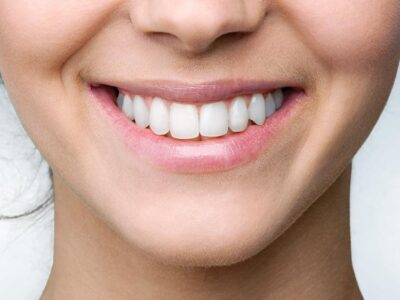
There is a particular kind of dental concern that comes up often among working professionals. It is not usually severe enough to feel urgent, and it rarely interferes with speech or chewing in a dramatic way. It sits in the background instead. A front tooth overlaps slightly. Lower teeth have started to crowd with age. A lateral incisor twists just enough to catch the eye in photos, video calls, or conference-room lighting. The smile still works, but it no longer feels as polished as the rest of the person.
That is where Invisalign often enters the conversation.
For professionals, the appeal is obvious. Treatment is discreet. It does not announce itself in client meetings, presentations, or networking events. It offers a way to improve alignment without the visual footprint of brackets and wires, which matters more than some people admit. If you spend your day negotiating, leading, pitching, interviewing, teaching, or speaking publicly, subtlety is not vanity. It is part of how you carry yourself.
Still, subtle treatment does not mean casual treatment. Invisalign can be excellent for the right case and disappointing for the wrong one. It rewards consistency, realistic expectations, and a provider who understands both bite mechanics and adult lifestyles. If you are considering it as a quiet upgrade rather than a dramatic orthodontic overhaul, it helps to know where it shines, where it asks more of you, and how to decide whether it fits your schedule and goals.
Why adults in professional settings gravitate toward clear aligners
Adults tend to approach orthodontics differently from teenagers. They are paying for it themselves. They have calendars, deadlines, travel, and responsibilities that do not pause for treatment. They also tend to have a clear reason for doing it. It may be cosmetic, but it is usually specific. They want the lower crowding smoothed out before a promotion photo, a wedding, a media appearance, or simply because they are tired of seeing the same flaw every time they open the front-facing camera.
Traditional braces still have an important place in orthodontics, especially for complex cases. But many adults are not deciding between braces and doing nothing in a purely clinical sense. They are deciding whether treatment feels socially manageable. That is why clear aligners have changed the market. They lower the barrier. The treatment can fit into a polished professional image instead of competing with it.
There is also a practical side. Clear aligners are removable, which means lunch meetings, coffee, and business dinners are easier to navigate. Oral hygiene is simpler than cleaning around fixed brackets. For adults who have already invested in crowns, bonding, implants, or gum care, that matters. A removable system gives them more direct control over brushing and flossing, which can reduce the sense that treatment is taking over daily life.
That said, removability is both the selling point and the trap. Fixed braces work because you cannot forget to wear them. Invisalign works well when patients can be disciplined without that external force. Professionals often assume they will be good at that because they are organized in other parts of life. Some are. Some discover that frequent meals, airport delays, long presentations, and late nights make consistent wear harder than expected.
What Invisalign is actually good at
The best candidates for Invisalign are often adults who need moderate aesthetic and functional improvement, not a total reconstruction of a difficult bite. Mild to moderate crowding, spacing, small rotations, and certain bite corrections can respond very well. In many adult cosmetic cases, the transformation is meaningful even when the starting problem seems relatively small. Straightening one or two visible teeth can change the whole expression of the smile.
It is also useful in cases where relapse has occurred after childhood braces. This is extremely common. People wear retainers less consistently over the years, wisdom teeth get blamed whether they are responsible or not, and lower incisors begin to shift. For someone who had orthodontic treatment years ago and now notices gradual movement, Invisalign can be a very sensible way to regain alignment.
Where caution is needed is in more complex movement. Certain severe rotations, large bite discrepancies, substantial extrusion needs, or difficult root movements may be less predictable with aligners alone. That does not mean they cannot be treated, only that the treatment plan may need attachments, elastics, refinements, longer timelines, or a hybrid strategy. Some cases are genuinely better served with braces or specialist orthodontic care.
A good provider will not sell every case as easy. If the consultation sounds effortless from start to finish, with no mention of limitations, refinement aligners, compliance, or retention, that is usually a sign to ask harder questions.
The visibility question, honestly answered
Many people considering Invisalign ask whether others will notice. The truthful answer is this: far less than braces, but not never.
At conversational distance, most clear aligners are easy to miss. In everyday office settings, many colleagues will not register them unless told. On video calls, they are often nearly invisible, especially with average camera quality and normal lighting. For client-facing professionals, that level of discretion is often enough.
But subtle does not mean completely undetectable. The trays can catch light. Some speech changes happen for a few days at the beginning of treatment or when switching trays, especially with certain sounds. Attachments, which https://maps.app.goo.gl/qwemdSbhdbvoCnq5A are small tooth-colored shapes bonded to the teeth to help move them, can sometimes be more visible than the trays themselves. If someone is looking closely, they may notice. If you speak for a living, you may notice the aligners before anyone else does.
Most adults adapt quickly. The first week is usually the most awkward. After that, many patients report that the treatment fades into the background unless they are eating out, remembering to put trays back in, or dealing with one particularly tight aligner change. From a professional image standpoint, the effect is usually minimal, which is the entire point.
The real daily rhythm of treatment
The brochures make aligner treatment look almost frictionless. The reality is more routine than glamorous.
You remove the trays to eat and drink anything other than water. You brush before putting them back in. You keep track of them in restaurants, airport lounges, and conference venues. You may become the person who excuses yourself after coffee to rinse your mouth before the next meeting. None of this is difficult on its own, but it adds up. The treatment works best when trays are worn about 20 to 22 hours a day, which leaves less flexibility than people expect.
For some professionals, that is no problem. They already have structured meal times and appreciate systems. For others, especially those who snack often, drink coffee slowly over several hours, or move from meeting to meeting with little downtime, the habit shift can be the hardest part of the process.
One of the more common surprises is how much aligners expose everyday grazing. A person who thought of themselves as someone who ate lunch and dinner may realize they also sip oat milk lattes, sample office snacks, grab a protein bar in the car, and accept sparkling water with lemon three times a day. With fixed braces, those habits are annoying. With aligners, they directly affect wear time.
Professionals who succeed with Invisalign usually do not have perfect lives. They just build a system. They carry a case, a travel toothbrush, floss picks, and sometimes cleaning crystals or foam. They learn when they can take trays out, when to leave them in, and how to avoid casual lapses that turn a two-week tray into a three-week tray.
Who tends to be happiest with the result
The adults who end treatment happiest are usually the ones who wanted a refined improvement, understood the trade-offs, and committed to the routine from the start. They did not expect the process to be invisible to them, only discreet to everyone else. They also chose providers carefully.
A few patterns show up again and again in satisfied patients:
- They had a clearly defined goal, such as smoothing lower crowding or closing small spaces.
- Their case matched what aligners do predictably well, or their provider explained where refinements would likely be needed.
- They wore the trays consistently, including during busy weeks and travel.
- They accepted that attachments, retainers, and follow-up matter just as much as the trays themselves.
- They valued subtle treatment enough that the extra discipline felt worthwhile.
That list may sound simple, but it captures most of the difference between patients who feel treatment was seamless and those who feel it dragged on.
Cost, and why cheap treatment can become expensive
Fees vary widely depending on region, complexity, and who provides the treatment. In many markets, adult Invisalign treatment lands somewhere in the several-thousand-dollar range, with simpler cases on the lower end and comprehensive cases higher. That wide span can make comparison shopping tempting, especially when advertising emphasizes monthly payments more than clinical planning.
This is where adults should be careful. Clear aligners are not interchangeable commodities. The quality of treatment depends heavily on diagnosis, case selection, staging of tooth movement, monitoring, midcourse corrections, and retention planning. Two providers can use the same brand and deliver very different experiences.
A lower fee may still be a fair fee, especially for a straightforward relapse case. But the cheaper option is not a bargain if the bite is not evaluated properly, if attachments are minimized for marketing reasons rather than biomechanics, or if refinement aligners become an endless cycle because the original plan was overly optimistic. Adults with restorative dental work, gum recession, clenching habits, or a history of periodontal issues need especially thoughtful planning. Teeth do not move in isolation from the rest of the mouth.
There is also a hidden cost to treatment that stalls. Lost time matters. If you began treatment because you wanted to feel more confident by a certain point in your career, a plan that stretches due to poor compliance or weak oversight can be more frustrating than paying somewhat more for a better-managed case.
The provider matters more than the tray
One of the more persistent misunderstandings is that Invisalign itself guarantees the result. It does not. The aligners are the delivery system. The diagnosis and treatment plan determine where that system takes you.
General dentists can provide excellent aligner care, particularly when they are experienced and selective about the cases they accept. Orthodontists devote their practice specifically to tooth movement and bite correction. In either setting, what matters most is not the marketing language in the waiting room. It is the provider’s judgment.
Ask how often they treat adults. Ask whether your case is mainly cosmetic or whether there are bite issues to solve. Ask what they see as the hardest part of your case. A strong clinician can explain that clearly without becoming defensive or overly technical. Adults should also pay attention to whether the consultation includes discussion of retainers, refinements, and long-term stability. If those topics are brushed aside, the planning may be too superficial.
There is no single right answer to whether you should see a general dentist or an orthodontist. There is, however, a wrong approach, and that is choosing based only on the lowest price or the most polished social media before-and-after set.
Career-specific scenarios where Invisalign makes sense
Not all professionals use their face in the same way. A trial lawyer, a physician, a financial advisor, and a software executive may all value appearance, but their day-to-day demands differ. Invisalign tends to work especially well when discretion and flexibility matter, but those advantages play out differently depending on the role.
For people who spend a lot of time on camera, subtlety is the obvious draw. Braces can look more pronounced under studio lighting or high-definition video than they do in person. Aligners are usually kinder in that environment, even if attachments remain faintly visible. For sales professionals and executives who entertain clients, removability can make meals less awkward, provided they are disciplined afterward. For clinicians and teachers who speak continuously, the short adaptation period matters more, and some prefer to start treatment during a lighter work week to get past the initial lisp sensation.
Frequent travelers are a special category. They often like the low-maintenance appearance of aligners but underestimate the logistics. Delayed flights, time-zone changes, packed itineraries, and airport food can all chip away at wear time. Travel does not rule out Invisalign, but it rewards preparation. A spare case, extra aligners if approved by the provider, and a simple cleaning routine become essential rather than optional.
What can complicate treatment for adults
Adult mouths bring history with them. That history is often manageable, but it changes planning.
Restorations are a common example. Crowns, veneers, bridges, and implant-supported teeth all affect what can move and how attachments bond. Teeth with root canal treatment may move, but they deserve careful evaluation. Gum recession and bone loss matter too. A tooth can look healthy in the mirror while still needing a cautious orthodontic approach because of the underlying support.
Clenching and grinding add another layer. Some adults like the sensation of wearing aligners because the trays act like a thin buffer. Others crack trays or put excess stress on them. The habit does not automatically disqualify treatment, but it should be part of the conversation. So should jaw symptoms. If someone already has temporomandibular discomfort, clear aligners may feel neutral, helpful, or irritating depending on the person and the case. There is no one-size-fits-all promise worth trusting here.
One more adult issue that gets too little attention is expectations shaped by cosmetic dentistry. People who have already whitened, bonded, or veneered teeth often imagine alignment will now be a quick polish. Sometimes it is. Other times, straightening reveals shape differences, black triangles between teeth, or old dental work that no longer blends as well. This is not treatment failure. It is a reminder that alignment changes the visual context of the smile. A thoughtful provider will flag that possibility early.
The timeline professionals should actually expect
Many adults begin treatment after hearing an optimistic estimate, then feel discouraged when it extends. The original estimate may not have been wrong. It may simply have described the first phase rather than the full course.
For a modest cosmetic case, active treatment may take several months. More involved cases can extend a year or longer. Refinement trays are common and not necessarily a sign something has gone badly. Teeth do not always track perfectly, especially in adults with denser bone, complex movements, or inconsistent wear. The problem is not refinement itself. The problem is when patients were led to believe it would not exist.
From a planning standpoint, adults should think in seasons rather than exact dates. If you have a major professional milestone, a media event, or a wedding, it is sensible to discuss timing early. But it is risky to assume every attachment will be off by a perfectly fixed date. Good orthodontic movement is biological, not purely mechanical.
After active treatment comes retention, which is where many adults quietly lose the gains they paid for. Teeth are not stable just because they look straight. Retainers are part of the treatment, not an accessory at the end. Professionals who commit to retainers preserve the investment. Those who do not often find themselves considering a second round years later.
Questions worth asking before you start
Most adults do not need a crash course in orthodontics before a consultation. They do, however, benefit from asking focused questions that uncover how the provider thinks.
- Is my case primarily cosmetic, or are there bite issues that need correction too?
- What part of my treatment is most predictable, and what part may require refinement?
- Will I need attachments, elastics, or interproximal reduction, and why?
- How long should I realistically expect active treatment and retention to last?
- If my teeth do not track as planned, how is that handled in the fee and timeline?
Those questions do more than gather facts. They reveal whether the provider is planning around your actual mouth or selling a generic smooth experience.
The emotional side professionals rarely mention
Adults often talk about Invisalign as a practical purchase, somewhere between healthcare and grooming. That is accurate, but incomplete. There is often an emotional undercurrent too, especially for people who have delayed treatment for years.
Some have been self-conscious about one feature of their smile since adolescence and simply never wanted braces again. Others are at a stage of life where they are finally willing to spend money on themselves rather than everyone else. Some are preparing for leadership roles that place them more visibly in front of teams, audiences, or cameras. The desire is not always about looking younger or chasing perfection. Often it is about reducing a persistent distraction.
That matters because treatment tends to go best when the motivation is grounded. If a person wants a cleaner, more balanced smile and understands the process, they usually weather the small annoyances well. If they are hoping alignment will somehow change their whole face, career, or confidence overnight, the experience can feel strangely underwhelming even when the teeth improve.
A smile upgrade is still an upgrade. For many professionals, that is exactly enough.
When Invisalign may not be the best call
The professional appeal of Invisalign is strong, but not every adult should default to it. Some cases truly need the precision and force systems of braces. Some adults know themselves well enough to admit they will not wear trays for 22 hours a day. Others have work patterns that make removability more of a liability than a convenience.
There are also aesthetic edge cases. If attachments would be placed on very visible front teeth and the patient wants absolute invisibility, expectations need recalibrating. If speech sensitivity is critical because the person performs, broadcasts, or records extensively, a trial period and strategic timing may be wise.
The most sophisticated decision is not choosing the discreet option automatically. It is choosing the option that gives the best result with the highest chance of actually finishing well.
A subtle upgrade, if you approach it like an adult project
For professionals, Invisalign fits best when viewed neither as a vanity impulse nor as a magic fix. It is a disciplined, medically guided project with a cosmetic payoff. That framing helps because it matches reality. You are investing money, time, and daily attention in a change that most people will notice only after the fact. During treatment, the process stays quiet. After treatment, the result speaks.
That is precisely why it appeals to so many adults. It allows improvement without spectacle. It respects the fact that not everyone wants their dental work to be part of the conversation. And for the right case, handled by the right provider, with the right level of commitment, it can deliver a sharper, cleaner smile that feels aligned with the rest of a professional life.
Not louder. Just better.
Omni Dental Specialty
Address: 1690 E Gonzales Rd, Oxnard, CA 93036
Phone number: +18053666000
FAQ About Invisalign
How much does Invisalign actually cost?
The out-of-pocket cost for Invisalign typically ranges between $3,000 and $8,000, with most patients paying a national average of roughly $5,100 to $5,700 before insurance.
What is the downside to Invisalign?
The biggest downsides to Invisalign are the intense discipline required to wear the trays 22 hours a day, the inconvenience of removing them to eat or drink, and the inability to fix severe, complex orthodontic issues.
Is $5000 a lot for Invisalign?
No, $5,000 is not considered a lot for Invisalign; it is exactly the national average. Treatment costs typically fall between $3,000 and $8,000, and $5,000 is the standard fee for a moderately complex case that takes 6 to 18 months to complete.